
Interior design in 2026 is moving in a new direction—one that feels more human, emotional, and grounded. Instead of focusing on cold minimalism or fast-changing trends, designers are embracing warmth, texture, and meaningful spaces that reflect real lifestyles.
Events like Maison & Objet and Paris Déco Off have highlighted a major shift in how interiors are being designed. The focus is no longer just on how a home looks, but how it feels, functions, and connects with everyday living.
If you’re exploring modern interior design trends 2026, home decor ideas, or luxury yet practical interiors, these 11 trends will give you a clear understanding of what’s shaping homes today.
1. From Cold Minimalism to Warm Material Interiors
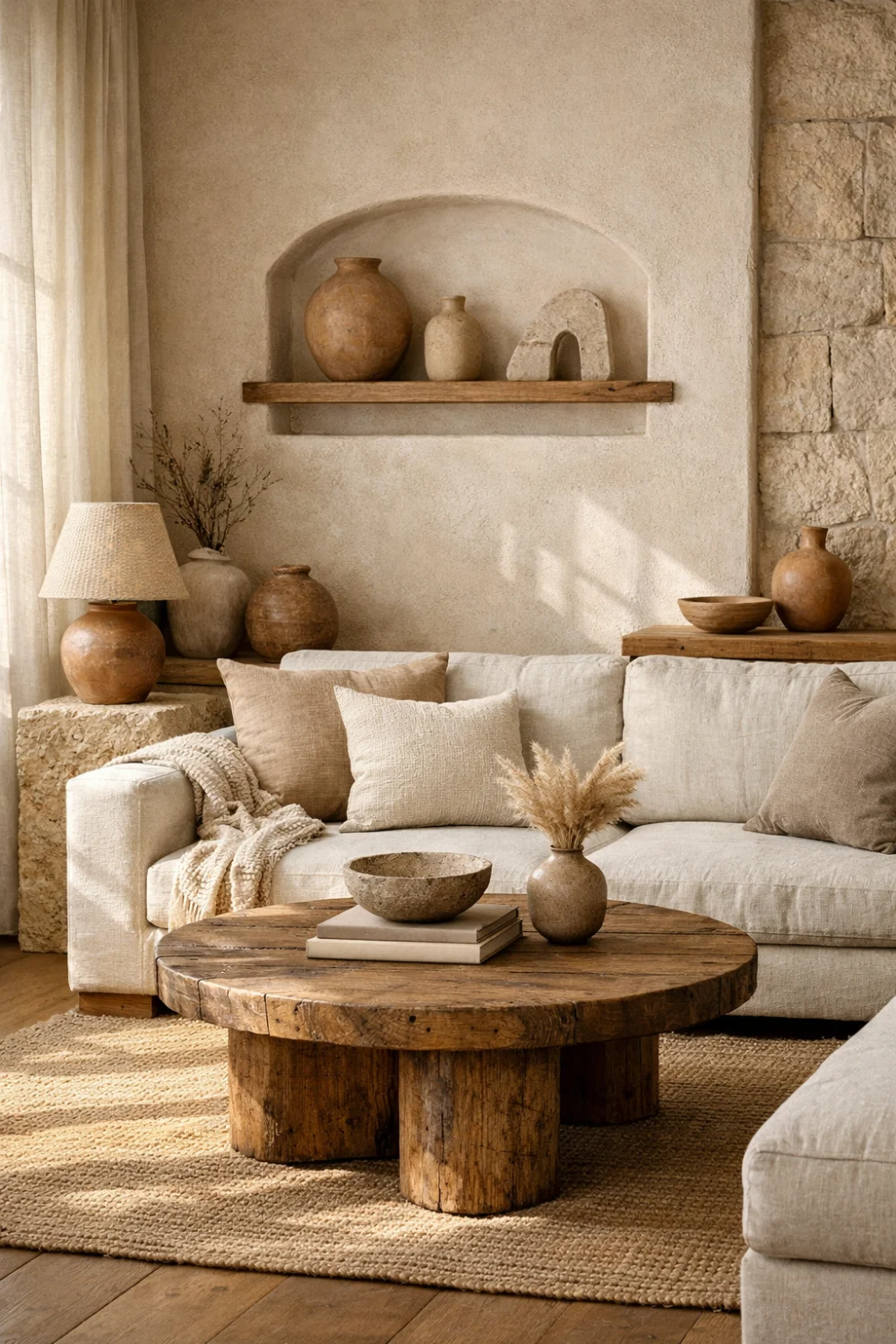
Minimalism is evolving into something softer and more inviting. Instead of plain white walls and glossy finishes, interiors now feature materials like wood, clay, linen, and stone that add warmth and texture.
These materials create a sensory experience, making spaces feel comfortable rather than empty. Homes are moving toward layered textures that feel natural and lived-in instead of overly polished.
2. Curved and Sculptural Furniture Shapes
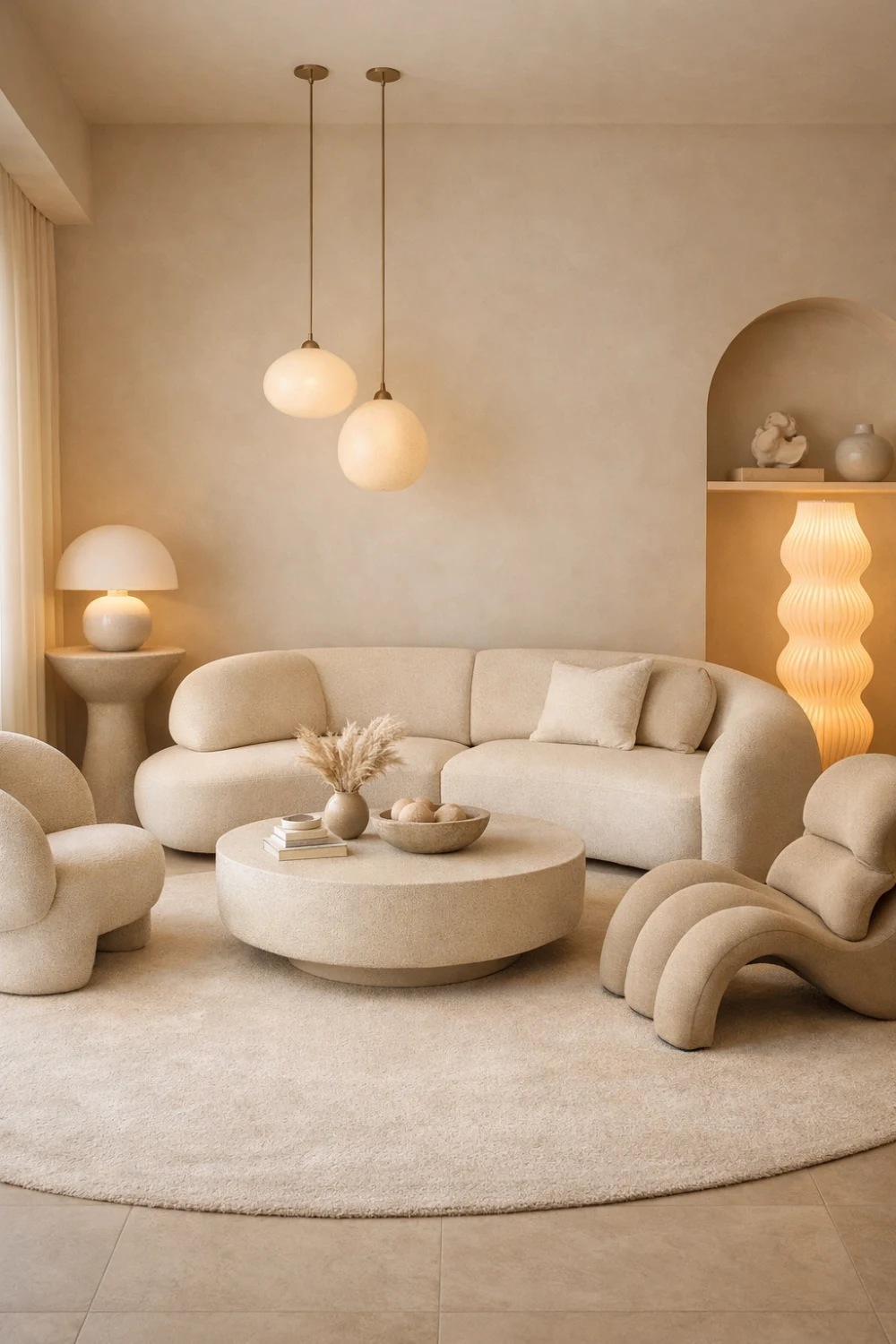
Straight lines and rigid layouts are being replaced with soft curves and sculptural forms. Rounded sofas, curved tables, and flowing shapes create a more relaxed and welcoming environment.
This trend improves movement within a space and makes interiors feel less structured. Curved designs are especially effective in modern homes where comfort and flow are priorities.
3. Upcycling and Sustainable Design Choices
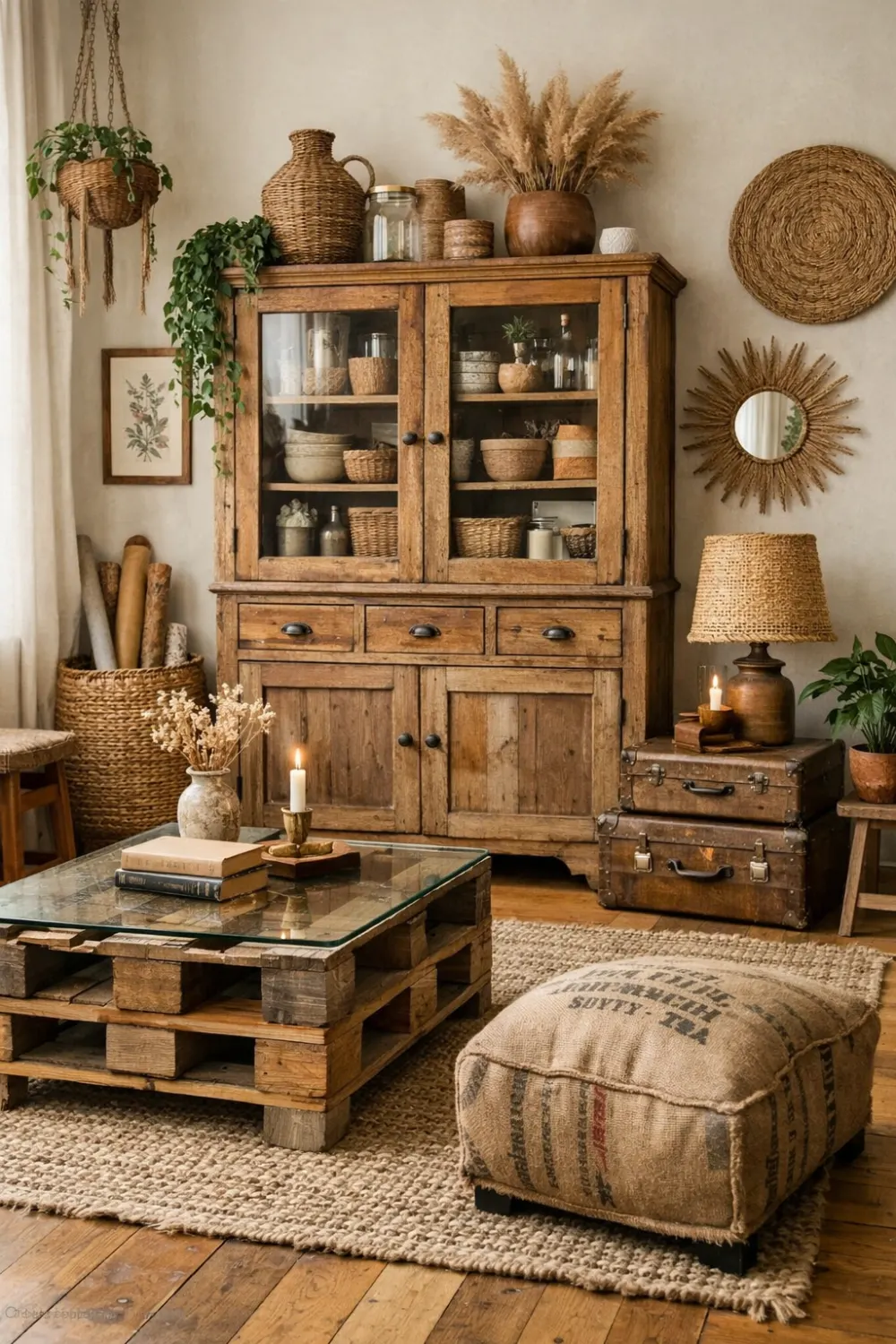
Sustainability is no longer optional—it is becoming a key design principle. Upcycling old furniture and reusing materials is now a major trend in modern interiors.
Homeowners are choosing items with history and character rather than mass-produced pieces. This approach not only reduces waste but also adds uniqueness and personality to the space.
4. Classic Details with a Modern Twist
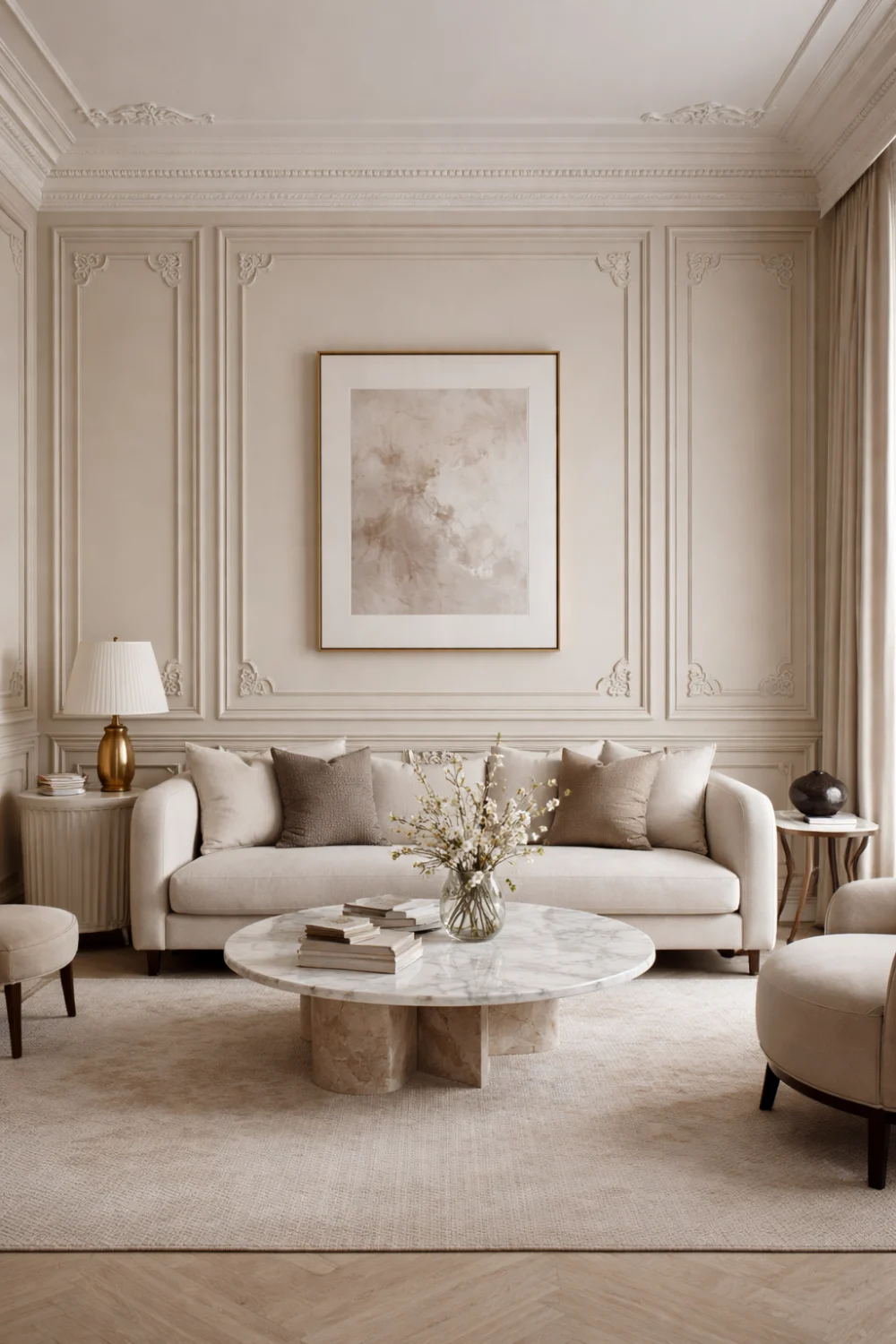
Traditional design elements are making a comeback, but in a more refined and updated way. Decorative moldings, detailed wall panels, and subtle patterns are replacing plain, empty walls.
Instead of heavy ornamentation, designers are using these elements carefully to add depth and character. The result is a balance between classic elegance and modern simplicity.
5. Bold Colors Replacing Safe Neutrals
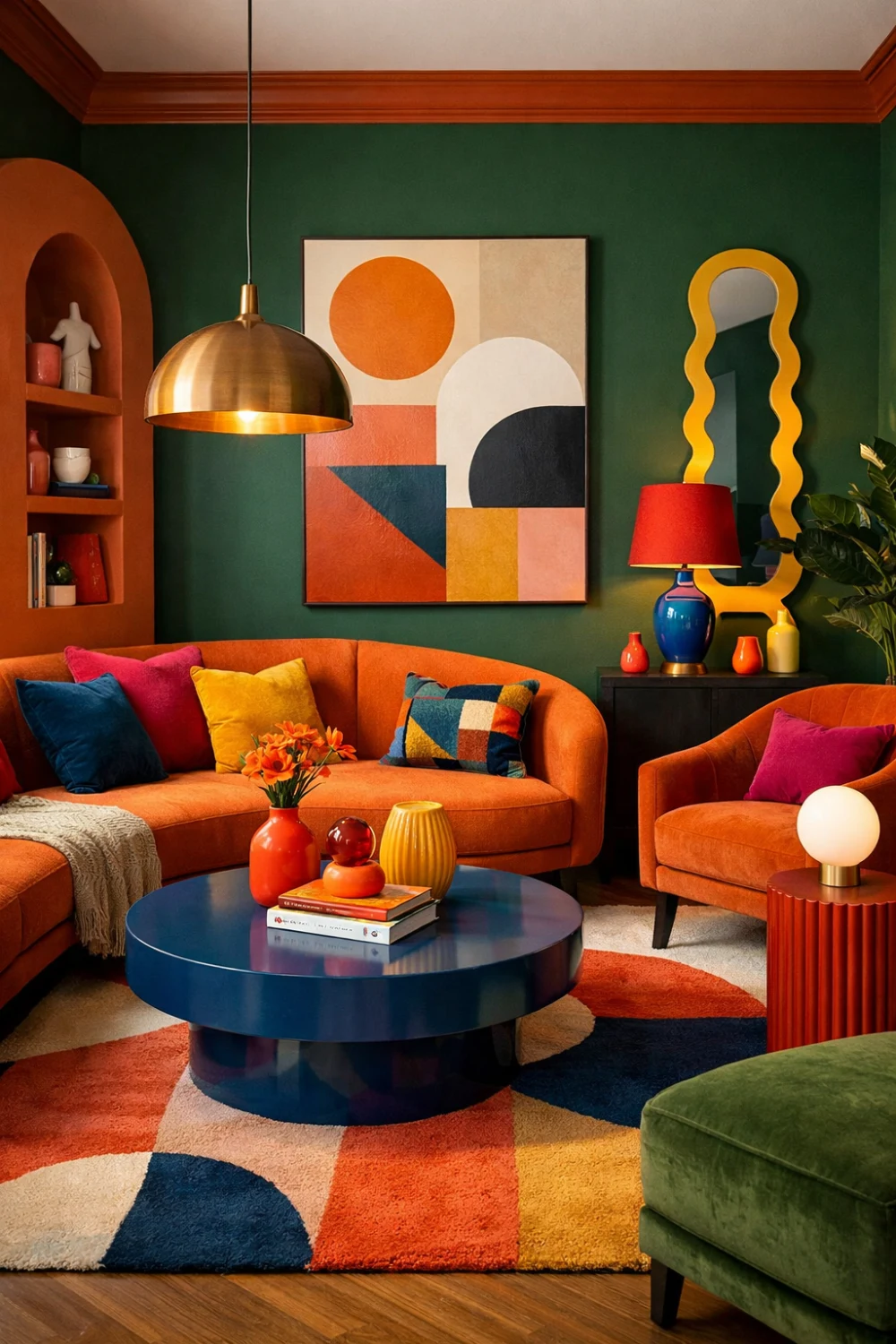
While neutral colors still exist, bold and expressive hues are gaining popularity. Shades like deep green, terracotta, navy blue, and warm earth tones are being used to add personality.
These colors create emotional impact and make spaces feel more dynamic. When combined with neutral backgrounds, they provide balance without overwhelming the room.
6. Textiles as a Key Design Feature
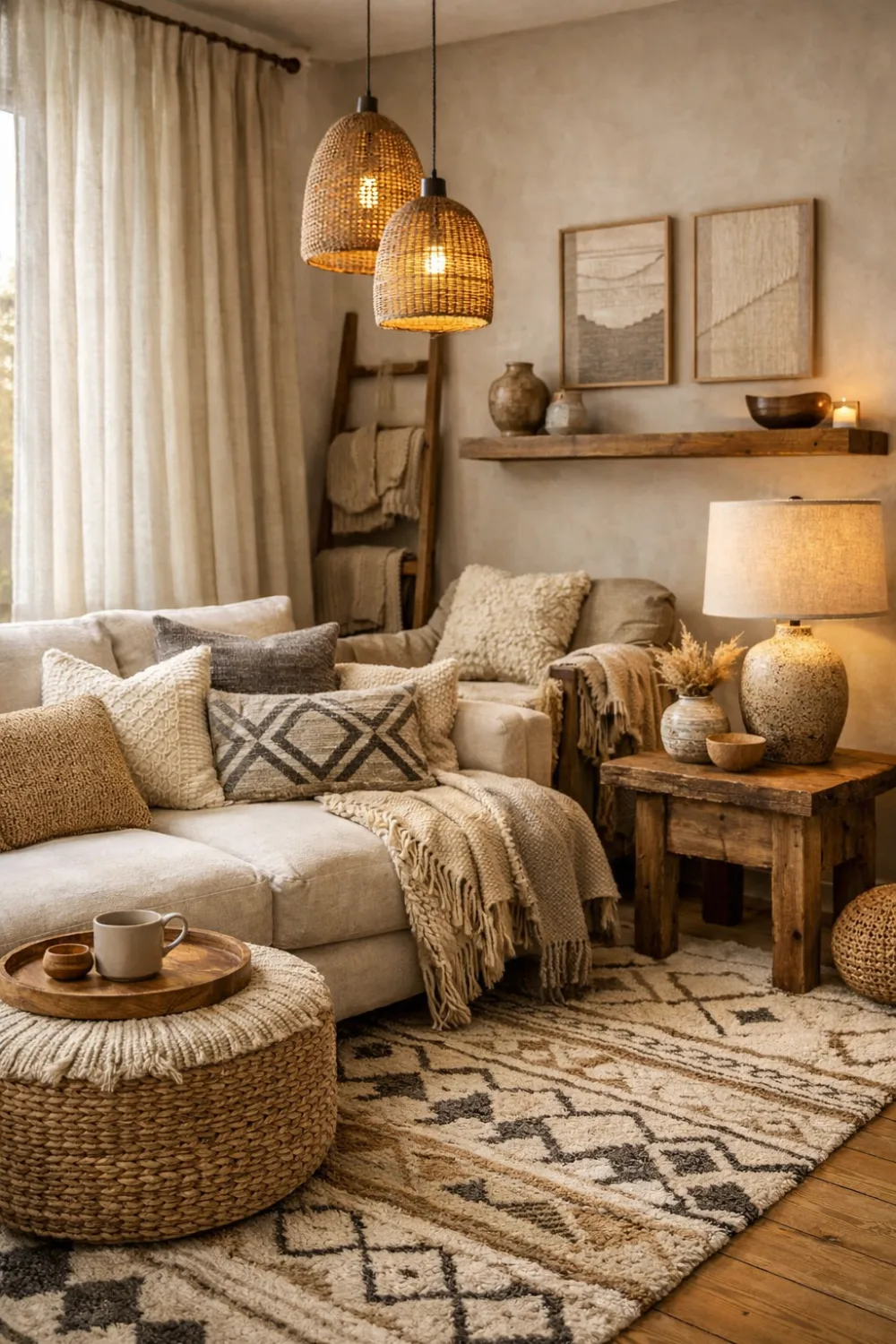
Textiles are no longer just functional—they are becoming central design elements. Curtains, rugs, and fabric wall treatments are being used to define spaces and add texture.
Layered textiles create warmth and depth, making interiors feel more comfortable. This trend is especially popular in living rooms and bedrooms where softness enhances the atmosphere.
7. Handmade and Artisan Craftsmanship
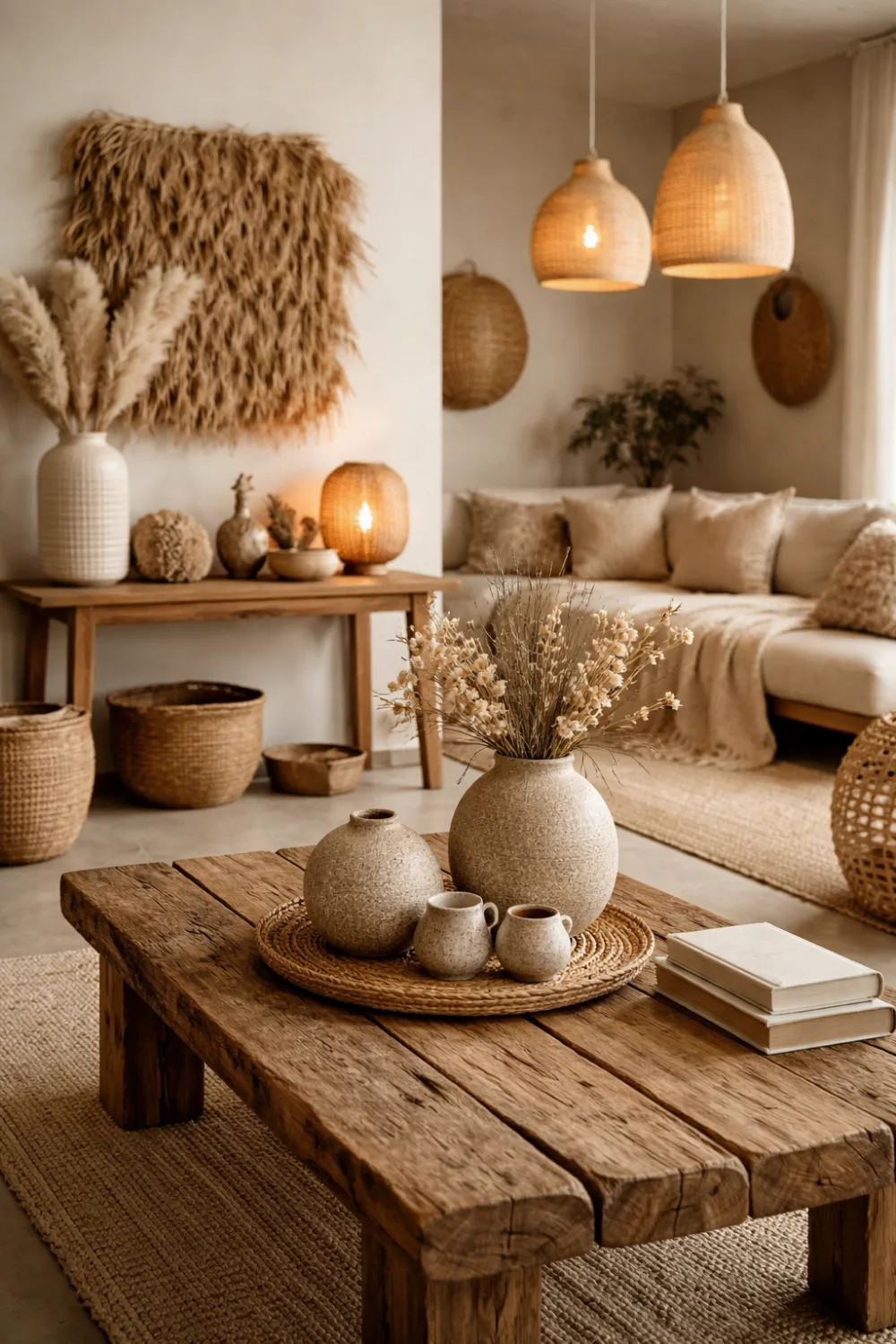
There is a growing appreciation for handmade products and craftsmanship. Items like handwoven rugs, ceramic decor, and custom furniture bring authenticity to interiors.
Unlike factory-made products, handmade pieces carry small imperfections that make them unique. This adds a personal and meaningful touch to modern homes.
8. Emotional and Story-Driven Interiors
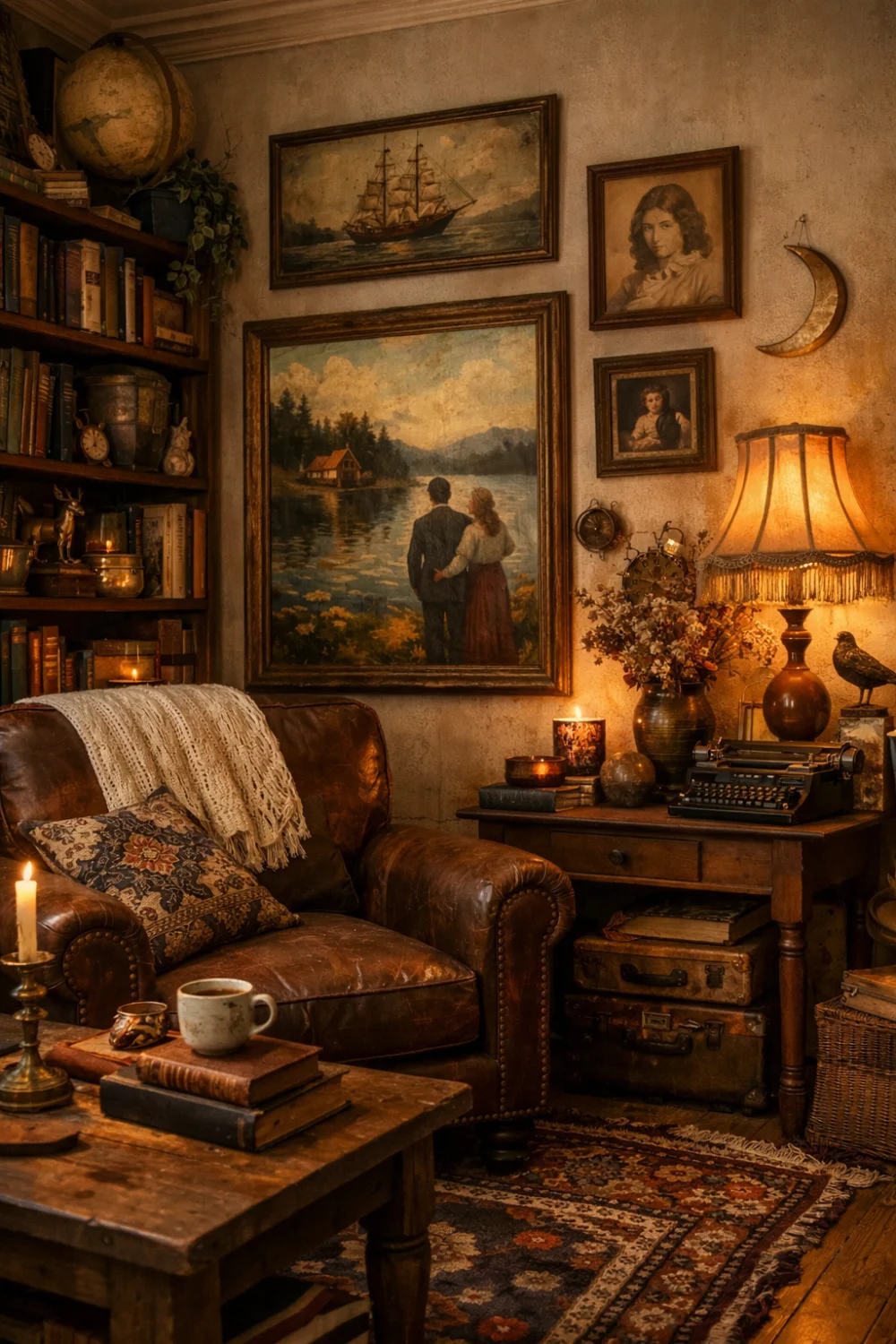
Modern interiors are becoming more personal and expressive. Instead of following trends blindly, homeowners are choosing items that reflect their stories, memories, and experiences.
This approach creates spaces that feel lived-in and meaningful. Art, vintage objects, and cultural elements are being used to build a deeper connection within the home.
9. Statement Lighting as Functional Art
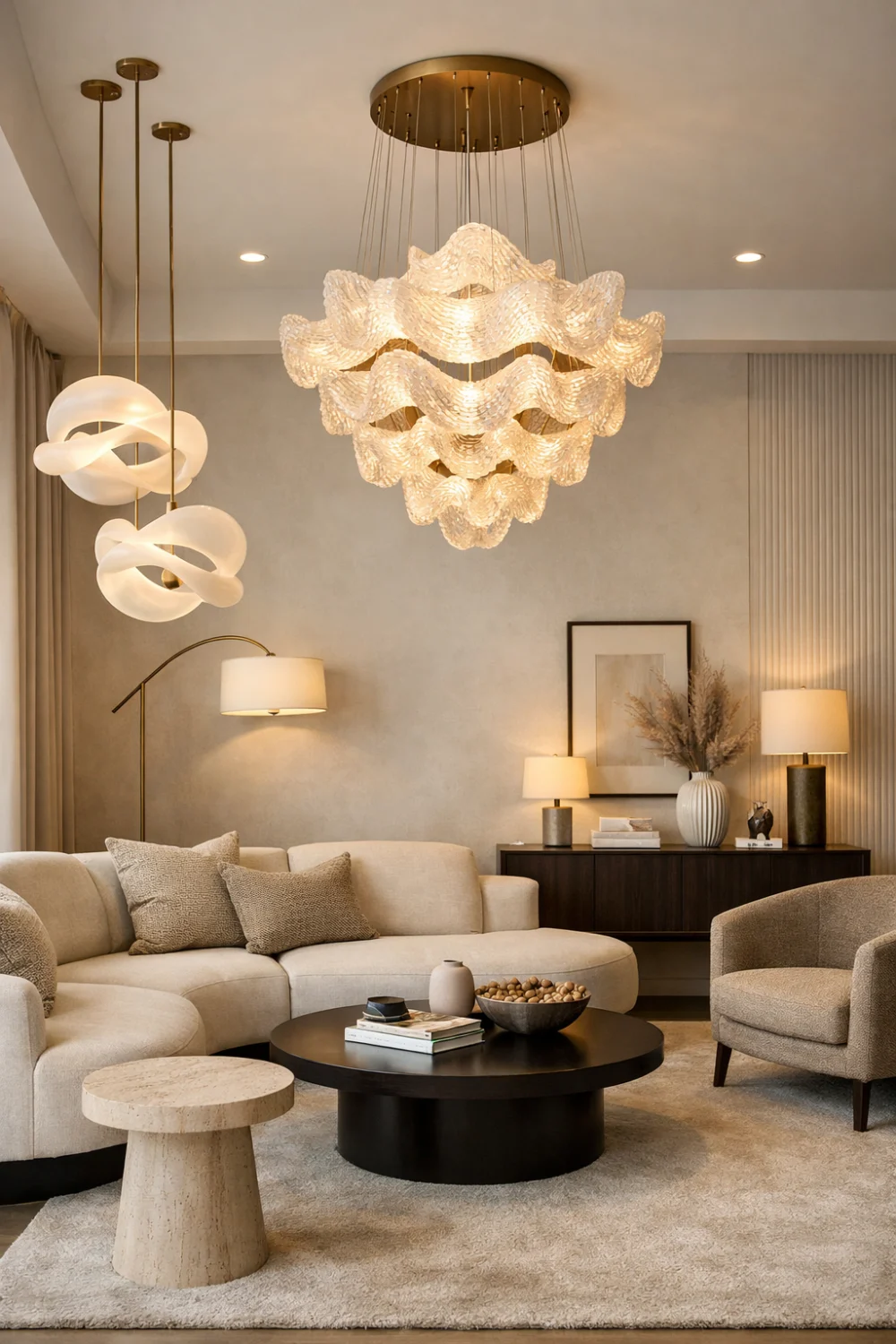
Lighting is no longer just about visibility—it is now a design statement. Sculptural pendant lights, artistic fixtures, and layered lighting setups are transforming interiors.
These elements act as focal points while also improving the ambiance. Proper lighting design enhances both functionality and mood within the space.
10. Balanced Maximalism Instead of Clutter
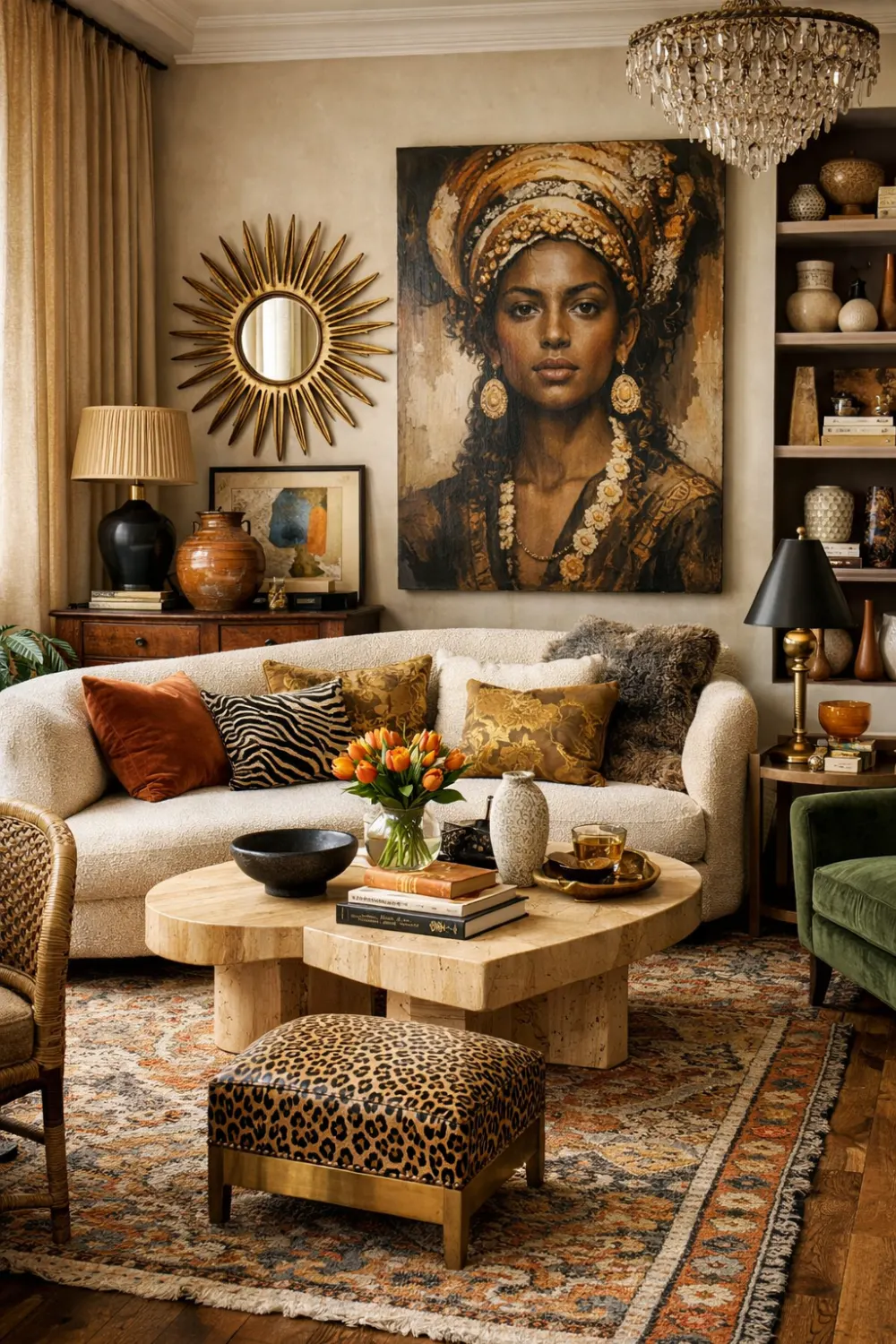
Maximalism is returning, but in a more controlled and intentional way. Instead of overcrowded spaces, designers are focusing on curated collections and layered textures.
This approach adds richness without chaos. By carefully selecting elements, homeowners can create visually interesting spaces that still feel organized and calm.
11. Seamless Indoor-Outdoor Living Spaces
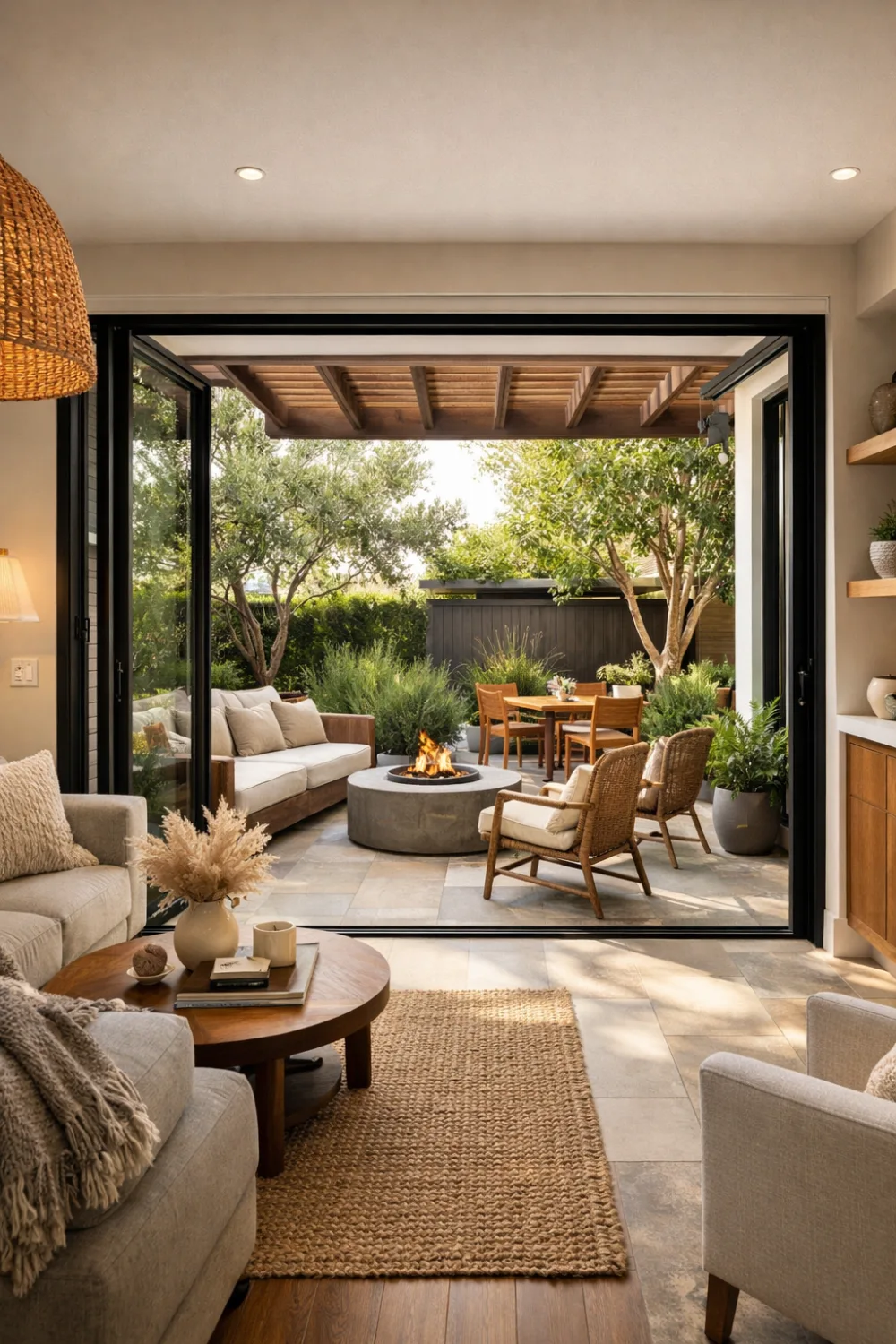
Homes are increasingly blending indoor and outdoor areas to create a more open and connected living experience. Large windows, sliding doors, and patio extensions help merge these spaces.
This trend improves natural light, ventilation, and overall comfort. Even small homes are adopting this concept by creating balcony or garden extensions that feel like part of the interior.

Leave a Reply